


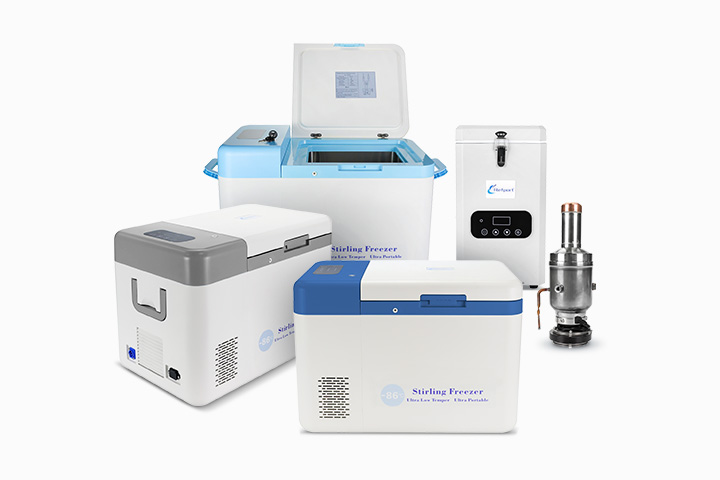


● A portable ultra low temperature freezer provides active cooling. ● Dry ice depends on passive sublimation. ● Temperature monitoring is stronger with powered ULT transport. ● Dry ice can work well for short validated routes. ● A portable ULT freezer fits repeated sample movement. ● Runtime and power planning replace dry ice load planning. ● A mobile ultra low freezer improves access during field work. ● A battery-ready ULT freezer reduces transport interruption risk.

● A compact portable ultra low temperature freezer should be judged by performance, not size alone. ● A 25L portable ULT freezer can fit mobile, field, and bench-side workflows. ● Temperature range must match the sample requirement. ● Pull-down speed and stability show real cooling capability. ● Usable capacity matters more than stated volume. ● AC/DC flexibility improves vehicle and site operation. ● A battery-ready ULT freezer requires realistic runtime planning. ● Compact design should not sacrifice alarms, safety, or monitoring.

● A portable ultra low temperature freezer should match sample temperature requirements. ● A portable ultra low temperature freezer needs stable power planning. ● Air transport requires size, weight, documentation, and handover control. ● Vehicle transport requires vibration control and runtime planning. ● Site transport requires mobility, recovery speed, and easy operation. ● A portable ULT freezer should be evaluated by usable capacity, not only volume. ● A battery-ready ULT freezer reduces risk during power transitions. ● A field ultra low freezer should support alarms, records, and controlled access.


