
Views: 0 Author: Site Editor Publish Time: 2025-08-29 Origin: Site


Maintaining the cold chain during vaccine transport is essential to ensure vaccines remain effective and safe. Vaccines are highly sensitive, and exposure to improper temperatures or poor packing can compromise their potency, leading to spoilage, wasted resources, and reduced immunization effectiveness.
Portable medical freezers provide a reliable solution for safe vaccine transit. They offer precise temperature control, energy-efficient operation, and mobility, allowing vaccines to be safely transported to remote clinics, mobile vaccination units, or emergency response locations. With their advanced design, portable medical freezers maintain stable temperatures even during power fluctuations or extended transit, ensuring vaccine integrity under challenging conditions.
Vaccines are highly sensitive biological products, and even minor temperature fluctuations during transit can affect their stability and effectiveness. Most vaccines require strict refrigeration between 2°C and 8°C, while certain advanced vaccines, such as mRNA vaccines, need ultra-low temperatures, sometimes below -70°C. Exposure to temperatures outside these recommended ranges, even for short periods, can reduce vaccine potency and compromise immune response in recipients. This makes careful temperature management during transport absolutely critical to preserve the efficacy of vaccines and ensure public health outcomes.
Failure to maintain the proper temperature during transit can have serious consequences:
Reduced efficacy: Vaccines that experience improper storage conditions may fail to generate an adequate immune response, undermining vaccination campaigns.
Spoilage: Temperature-sensitive vaccines, as well as other biological samples, may become completely unusable if exposed to heat or freezing conditions.
Financial loss and logistical setbacks: Spoiled vaccines lead to wasted resources, additional costs for replacements, and potential delays in immunization programs, which can negatively impact population health and erode public trust in vaccination efforts.
Understanding these risks highlights the importance of a reliable transport system that can consistently maintain appropriate temperature levels.
Careful and strategic packing is essential to ensure vaccines remain within safe temperature ranges throughout the entire transport process. Using a portable medical freezer equipped with advanced insulation, battery backup, and real-time temperature monitoring greatly reduces the risk of spoilage during both short and long-distance transit. Proper packing involves arranging vaccines to allow for adequate airflow, securing them to prevent movement, and using supplementary insulation materials where necessary. Combined with precise temperature control, these measures are critical for maintaining vaccine integrity, particularly in challenging transport conditions such as remote areas, mobile vaccination units, or regions with unstable electricity supply. Portable medical freezers not only provide the necessary protection but also offer mobility and convenience, making them indispensable tools in modern vaccine distribution.
Before loading vaccines, it is essential to ensure the portable medical freezer reaches its target temperature. Pre-cooling the freezer allows it to stabilize, reducing the risk of temperature spikes when vaccines are added. During transit, maintain temperature stability by minimizing door openings and using thermal packs if necessary. This step ensures vaccines remain within the safe temperature range throughout loading and transportation.
Proper insulation is critical to prevent temperature fluctuations during transport. Use thermal blankets, foam inserts, or ice packs to provide additional protection. Arrange vaccines in layers with consistent spacing, ensuring that each vial or container is surrounded by insulation material. This method helps maintain even cooling throughout the freezer and prevents localized overheating or freezing, safeguarding vaccine integrity.
Overpacking or improper organization can block airflow and compromise temperature stability. Avoid overcrowding the freezer and use dividers or compartments to separate vaccine batches. Properly securing contents prevents movement and reduces the risk of physical damage during transit. Organized packing also makes it easier to monitor and access vaccines efficiently, further ensuring the portable medical freezer maintains optimal cold chain conditions.
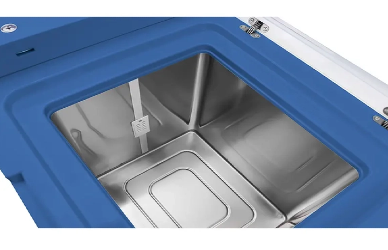
Selecting the appropriate vehicle for transporting vaccines is a critical step in maintaining the cold chain. The vehicle must provide adequate protection from environmental factors such as direct sunlight, extreme heat, or cold, all of which can compromise the internal temperature of a portable medical freezer. For longer trips, air-conditioned or well-insulated vehicles are highly recommended to help maintain a stable environment throughout the journey. Additionally, securing the freezer to prevent movement or tipping during transit can protect both the equipment and the vaccines inside. Careful planning of the travel route to avoid extreme temperature zones or heavy traffic delays also contributes to safe vaccine transport.
Maintaining continuous temperature monitoring during transportation is essential to safeguard vaccine integrity. Many portable medical freezers come equipped with built-in sensors that track internal temperatures in real time, while external data loggers can provide additional verification. Regularly checking these devices throughout transit ensures that any deviation from the recommended temperature range is promptly detected. If a fluctuation occurs, immediate corrective actions—such as adjusting insulation, repositioning the freezer, or activating backup power—can prevent vaccine spoilage. Proper documentation of temperature logs also supports quality assurance and regulatory compliance.
Even with a reliable portable medical freezer, unexpected delays or power interruptions can occur during transit. It is important to have a contingency plan that includes options such as battery backup, auxiliary generators, or temporary relocation to a stable power environment. Preparing for these scenarios ensures that the cold chain is maintained under all conditions, minimizing the risk of vaccine spoilage. Training staff on emergency procedures and quick response protocols further enhances the safety and reliability of vaccine transport, particularly in remote areas or regions with unstable electricity supply.
Upon arrival, it is crucial to carefully unload the portable medical freezer to avoid physical shocks that could affect its performance. Immediately verify the internal temperature using built-in sensors or external data loggers. Ensuring the temperature has remained within the recommended range during transit is the first step to confirming vaccine safety.
Before storing or administering vaccines, visually inspect each batch for any signs of damage or spoilage. Look for changes in color, clarity, or vial integrity, which may indicate exposure to unsafe temperatures. Using a portable medical freezer minimizes these risks, but careful inspection ensures that only safe, effective vaccines are distributed.
Accurate record-keeping is essential for compliance with regulatory standards and quality assurance. Document the transport conditions, temperature logs, and any observations during unloading. Maintaining these records ensures accountability, supports traceability, and reinforces the importance of using a portable medical freezer for reliable cold chain management.
Proper packing and careful handling during vaccine transport are essential to maintain vaccine efficacy and prevent spoilage. Following best practices—such as pre-cooling the freezer, using insulation materials, securing contents, monitoring temperatures, and planning for contingencies—ensures that vaccines remain safe throughout transit. Portable medical freezers provide reliable temperature control, mobility, and energy-efficient operation, making them a critical tool for maintaining the cold chain during transport.
For professional solutions and expert guidance, consider contacting Ningbo Juxin ULT-Low Temperature Technology Co., Ltd. Their team offers high-quality portable medical freezers with advanced features tailored for safe vaccine transport. Visit www.juxinult.com to explore their product range and ensure your vaccines are stored and transported under optimal conditions.
