
Views: 0 Author: Site Editor Publish Time: 2026-03-09 Origin: Site


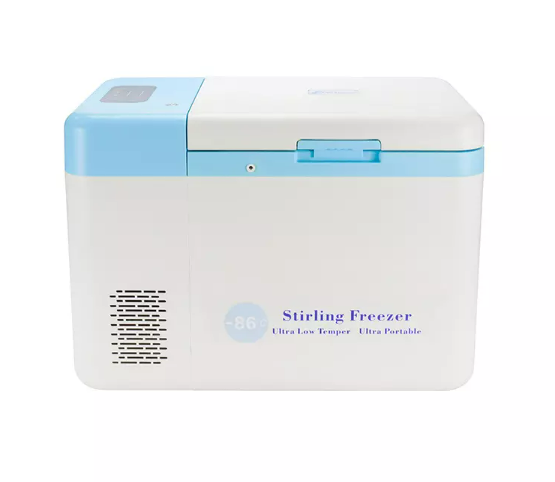
An ultra-low temperature freezer protects samples only when we use it correctly. Low temperature alone is not enough. Poor placement, weak airflow, messy storage, and delayed maintenance can all raise risk. This guide explains how to set up, load, monitor, and maintain a freezer the right way. It also shows how a Stirling Ultracold Freezer can support stable storage, lower energy use, and smoother lab work when daily practices stay disciplined.
Good setup prevents many future problems. It improves temperature stability, reduces stress on the system, and protects valuable inventory from avoidable failure.
Start by choosing a cool, clean, stable room. The floor should be flat and strong enough for the loaded unit. Avoid hallways, crowded corners, and areas near direct sunlight. Do not place the freezer beside radiators, autoclaves, or other heat sources. A controlled room helps the unit recover faster after door openings. It also reduces wear on the refrigeration system and keeps energy demand more predictable over time.
Before startup, confirm the outlet matches the freezer’s electrical requirements. A dedicated circuit is often the safest choice for a critical unit. Shared high-load outlets can cause nuisance trips or unstable performance. Backup power matters even more when the freezer stores irreplaceable material. If possible, connect it to emergency power or a validated backup plan. A Stirling Ultracold Freezer often supports broad voltage compatibility, which can simplify global deployment and facility planning.
Airflow space is not optional. It is part of proper operation. Leave enough room above, behind, and around the cabinet so heat can escape efficiently. Tight placement can trap warm air and push the system harder than needed. You also need enough space to open the outer door fully and work safely during loading or cleaning. Good clearance helps technicians reach filters, vents, and service panels without moving the freezer each time.
Room temperature affects freezer performance every day. If the room runs too warm, the unit may recover more slowly after access events. It may also consume more power and release more heat into the space. Try to keep the room cool and consistent. Sudden swings in temperature or humidity can add unnecessary strain. Labs should coordinate freezer placement with HVAC planning, especially when several units operate in one room.
Never rush the first loading cycle. Let the freezer pull down to the target setpoint while empty. Then watch its stability for a reasonable period. This confirms the unit, alarms, and display all work as expected. It also gives the team time to verify rack placement and box layout. Loading too early can slow pull-down, create uneven temperatures, and expose samples during a period when the system has not fully stabilized.
Setup Item | Best Practice | Why It Matters |
Room location | Cool, clean, level space | Supports stable operation |
Electrical supply | Dedicated outlet if possible | Reduces power risk |
Clearance | Leave open space above and behind | Improves heat release |
Backup plan | Emergency power or backup freezer | Protects critical samples |
First startup | Run empty before loading | Confirms stable performance |
Note: A freezer problem often starts outside the cabinet. Room heat, weak airflow, or poor power planning can shorten unit life long before a mechanical fault appears.
Once the unit is installed, we need to set it up for the actual sample risk profile. Good configuration balances protection, recovery speed, security, and energy use.
Do not choose a colder setting just because it feels safer. Select the setpoint based on the real storage requirement of the sample type and your internal SOP. Some materials need deep storage for long periods, while others remain stable at warmer ULT ranges. A clear policy helps every user follow the same standard. It also reduces random setting changes, which can confuse staff and stress the unit without adding real preservation value.
Many labs automatically choose -80°C, but not every use case requires it. In some programs, -70°C may protect sample integrity while lowering energy demand and reducing compressor strain. This decision must follow validation and internal quality rules, not habit. When the evidence supports it, a slightly warmer setpoint can improve operating efficiency. For B2B buyers, this matters because long-term ownership cost often depends more on power use than on the purchase price alone.
Monitoring should be active before the freezer becomes full. Set high and low temperature alarms, power-loss alerts, and remote notifications at the beginning. Data logging is also essential for compliance, audits, and incident review. It helps teams see trends before they become failures. Remote monitoring is especially important for shared labs, hospitals, and biobanks. If the temperature drifts at night, someone needs a fast alert rather than a surprise the next morning.
Shared access creates risk when roles are unclear. Decide who can change settings, who responds to alarms, and who updates inventory. Locking the unit is a simple step that protects both samples and procedures. It prevents casual access and reduces the chance of long door openings by untrained users. A written access rule is useful in any multi-user environment. It also supports traceability when the freezer stores regulated, high-value, or time-sensitive materials.
Storage Decision | Recommended Approach | Business Value |
Setpoint choice | Match sample need and SOP | Avoids unnecessary energy use |
Alarm setup | Enable before sample loading | Speeds incident response |
Data logging | Record continuously | Supports audits and QA |
Access control | Lock shared units | Reduces handling risk |
Tip: For multi-site labs, standardize alarm limits and logging rules across every freezer. It makes training easier and incident review much faster.
Sample handling is where many teams lose efficiency. A freezer can perform well on paper, yet still struggle if storage habits are poor. Smart organization protects both temperature and workflow speed.
Create a simple map before the first box goes inside. Assign shelves, racks, and positions to categories, projects, or time periods. A clear map reduces search time and door-open time. It also makes audits easier and supports cleaner chain-of-custody records. Teams should store the map in both digital and printed form. When staff changes happen, the storage logic stays clear. That consistency is vital when samples must be retrieved quickly during clinical or research deadlines.
Every item should be easy to identify fast. Use durable labels, printed codes, and cold-ready materials. Handwritten labels can fade, peel, or become hard to read after frost exposure. Standardized box sizes also help staff work faster and reduce wasted space. Good labeling is not just housekeeping. It is part of risk control. When users find the correct box immediately, the freezer door stays open for less time and the internal temperature recovers more quickly.
A freezer should not be packed so tightly that airflow inside becomes restricted. At the same time, very large empty areas can also hurt efficiency. The goal is balanced loading. Keep storage dense but manageable. If one section becomes empty, consider using approved filler material to reduce open volume. This can help moderate temperature shifts during door openings. Organized density also prevents staff from cramming in extra boxes later, which often leads to crushed labels and poor access.
Door discipline is one of the easiest ways to improve freezer performance. Plan each retrieval before opening the outer door. Open only the inner door you need. Close it as soon as the box is returned. Avoid browsing inside the cabinet while deciding what to take. Those extra seconds matter. Repeated long openings raise internal temperature, create frost, and slow recovery. In busy labs, a simple retrieval checklist can reduce access time and lower handling errors significantly.
● Prepare the exact shelf and box position first.
● Use printed inventories or barcodes for faster retrieval.
● Return items immediately after use.
● Train new users before they access the unit alone.
Note: Poor organization does not only waste time. It also creates thermal stress, more frost, and a higher chance of sample mix-ups.
Daily habits shape long-term reliability. Small actions, repeated every week, usually matter more than rare major repairs.
Frequent access is normal in active labs, but uncontrolled access is avoidable. Group tasks together so one opening handles several needs. Avoid opening the freezer just to check what is inside. Use your inventory system first. Limit the number of people accessing the same unit in a short period. This habit protects the sample environment and helps the freezer maintain its setpoint more efficiently. Over months, it can also reduce mechanical wear and energy cost.
Do not focus only on the setpoint. Watch how quickly the freezer returns to that setpoint after the door closes. Slow recovery may signal an airflow issue, excessive frost, a poor door seal, or room conditions that are too warm. Recovery trends can reveal trouble before a full alarm event happens. Teams should review these trends regularly, especially after large loading sessions. This habit supports preventive action instead of emergency reaction, which is always safer for critical inventories.
Many teams place boxes, manuals, or lab supplies on top of the freezer. It seems harmless, but it can trap warm air or block service access. The same issue happens when carts, bins, or packaging crowd the rear area. Keep the surrounding space clear and easy to inspect. A clean perimeter improves airflow, supports safe access, and makes routine checks faster. It also signals that the freezer is treated as critical infrastructure, not just another storage cabinet.
Users should notice early warning signs during normal work. Heavy frost near the gasket, unusual sounds, poor latch closure, or unexpected temperature swings all deserve attention. These signs may appear small, but they often point to a larger issue building underneath. Encourage staff to report them early rather than wait for a failure. A quick check today can prevent a sample transfer tomorrow. In quality-focused environments, this mindset is part of strong operational culture.
Routine maintenance keeps performance stable and reduces the chance of sudden downtime. For labs storing high-value material, maintenance is part of sample protection, not just equipment care.
Dust blocks airflow and makes cooling less efficient. Set a routine schedule for inspecting filters, vents, and condenser areas. In dusty rooms, check more often. Some parts may only need vacuuming, while others may require washing or replacement. Always follow the equipment manual and disconnect power before deeper cleaning. A clean airflow path helps the system release heat properly. It can also improve recovery speed and reduce the chance of overheating during heavy use periods.
Frost may look minor at first, but it can grow into a serious problem. Ice buildup can affect inner doors, reduce sealing quality, and make access harder for users. It may also slow recovery and add stress to the refrigeration system. Remove light frost early, before it becomes dense and stubborn. Plan full defrost cycles according to usage level and SOP. Never use sharp tools that could damage gaskets, liners, or internal surfaces during the cleaning process.
A display is helpful only when it is accurate. Over time, probes and monitoring systems can drift. Regular calibration helps confirm that the displayed temperature matches real cabinet conditions. It also supports compliance in regulated labs. Follow your SOP, quality system, or service interval for calibration frequency. For many teams, an annual check is a practical baseline. Critical programs may need more frequent verification, especially when freezers support validated workflows or external audits.
Some teams can manage routine upkeep internally. Others need outside support. A service plan can be a smart choice when the freezer stores irreplaceable samples, clinical material, or time-sensitive products. Preventive maintenance visits often catch wear before a shutdown occurs. They also help smaller labs that do not have in-house equipment specialists. From a B2B angle, service coverage should be part of the buying decision, not an afterthought added after the freezer is already installed.
Maintenance Task | Suggested Frequency | Main Benefit |
Inspect filters and vents | Quarterly or as needed | Maintains airflow |
Clean condenser area | Per manual and site conditions | Improves heat release |
Remove light frost | As soon as visible | Prevents gasket stress |
Full defrost | Per SOP, often 1–2 times yearly | Restores usable space |
Calibration check | Usually yearly | Confirms temperature accuracy |
Tip: When samples are irreplaceable, the cheapest maintenance plan can still be far less expensive than one avoidable freezer failure.
Many freezer failures do not begin as technical defects. They start as repeatable human mistakes. Knowing them early helps teams avoid preventable loss.
A freezer cannot perform at its best in the wrong room. Warm, crowded, or poorly ventilated spaces push the unit harder every day. This can raise energy use, slow recovery, and shorten equipment life. Some teams discover the problem only after summer temperatures rise or more units are added nearby. The better approach is planning before installation. Review HVAC, heat load, clearance, and traffic patterns first. Good environment control protects both uptime and operating cost.
It is tempting to fill a new freezer right away, especially during a busy project. Still, loading too soon can create instability and uneven pull-down. The unit needs time to reach and hold its setpoint first. Staff should also confirm alarm function, shelf layout, and data logging before any critical sample enters storage. A rushed startup often leads to rushed corrections later. Taking a little more time at the beginning usually prevents much larger problems afterward.
An alarm should trigger action, not silence. Repeated high-temperature or power-related alerts often point to a pattern. If teams ignore the history, they lose the chance to solve the real cause early. Review alarm records for timing, frequency, and recovery behavior. Was there a long door opening, a room heat spike, or a maintenance issue? Quick review turns alarm data into operational insight. Delayed response turns it into missed warning signs that may later become failures.
Old samples often stay in freezers because no one wants to decide what to remove. Over time, that habit wastes space, slows retrieval, and increases door-open time for active work. It also makes emergency sample transfer harder if a freezer goes down. Set regular audit dates and clear retention rules. Dispose of expired or unnecessary material according to policy. A cleaner inventory supports faster access, better visibility, and lower operational friction across the whole storage program.
1. Plan the room before delivery.
2. Validate the freezer before loading.
3. Treat alarms as data, not noise.
4. Audit contents on a fixed schedule.
Note: The best freezer cannot fix weak habits. Strong daily practice is what turns advanced equipment into reliable sample protection.
Proper use of an ultra-low temperature freezer starts with correct setup, careful sample handling, active monitoring, and regular maintenance. These steps protect sample quality, improve efficiency, and reduce avoidable downtime over time.
A reliable Stirling Ultracold Freezer adds even more value through stable cooling, lower energy use, and precise temperature control. Ningbo Juxin ULT-Low Temperature Technology Co., Ltd. supports labs and medical users with advanced Stirling technology, practical product options, and responsive technical service for long-term ultra-low storage needs.
A: A Stirling Ultracold Freezer stores samples at stable ultra-low temperatures.
A: Use a Stirling Ultracold Freezer in a cool room, organize samples, and limit door openings.
A: A Stirling Ultracold Freezer is cleaner, easier to manage, and more energy efficient.
A: Cost depends on size, temperature range, features, and service support.
A: Check airflow, frost, door seals, loading level, and room temperature.


