
Views: 194 Author: Site Editor Publish Time: 2025-10-27 Origin: Site


Medical devices, ranging from diagnostic machines to life-saving equipment, require highly reliable and efficient cooling solutions. As the healthcare industry advances, so too does the technology behind these devices, and the need for innovative cooling technologies is more critical than ever. One such breakthrough is the use of Free Piston Stirling Coolers (FPSC) in medical devices. These coolers offer several advantages, including energy efficiency, compact size, and silent operation. In this article, we will delve into the unique benefits of using FPSCs in medical devices, and why they are a game-changer in the field of healthcare.
One of the most significant advantages of using Free Piston Stirling Coolers in medical devices is their remarkable energy efficiency. Traditional cooling methods often consume large amounts of power, increasing operational costs and placing a strain on power supplies. FPSCs, on the other hand, operate with minimal energy consumption while maintaining an effective cooling cycle.
FPSC technology operates by using a Stirling engine, which is known for its high thermodynamic efficiency. The engine compresses and expands a working gas, using a free piston mechanism, which eliminates the need for complex mechanical parts. This results in fewer energy losses and more direct conversion of input energy into cooling power.
In medical devices, where power availability can be limited, especially in portable and battery-operated systems, this energy efficiency is crucial. Devices like portable ultrasound machines, compact MRI scanners, and even diagnostic tools that rely on cryogenic temperatures benefit from FPSC technology by reducing their power consumption significantly.
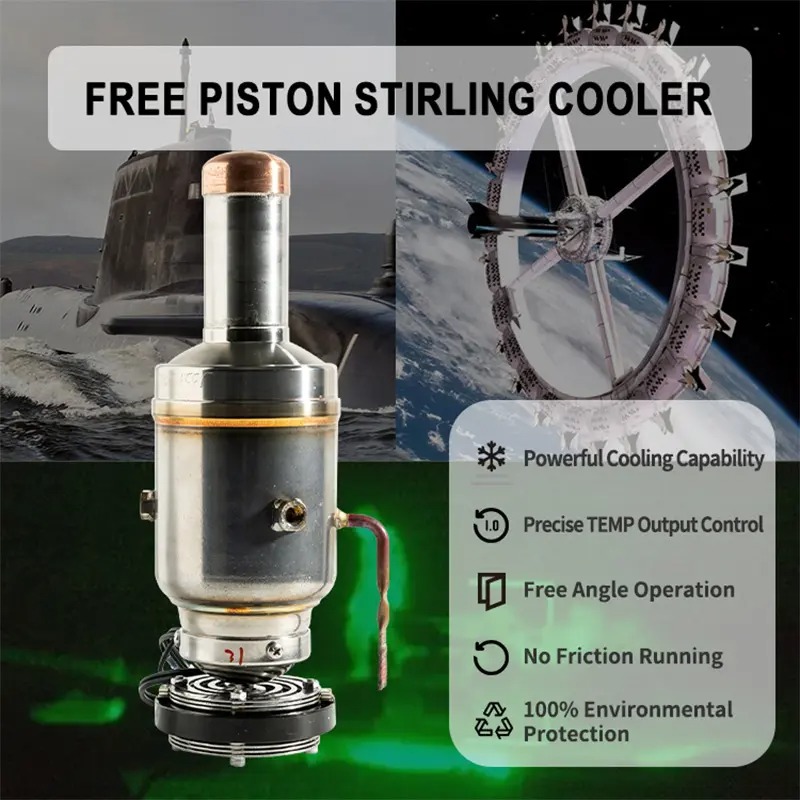
Portability is an essential factor in the design of modern medical devices, especially for those that are used in emergency and field settings. Traditional cooling methods often require bulky components, making devices heavier and less portable. In contrast, Free Piston Stirling Coolers are compact and lightweight, making them ideal for portable medical devices.
FPSC units are smaller and more efficient than traditional refrigeration or cooling technologies. Their design, which eliminates the need for bulky compressors and moving parts, results in a more streamlined and lightweight cooling solution. For devices like handheld diagnostic tools, portable X-ray machines, or field equipment, using FPSCs ensures that the devices remain easy to carry and transport.
This compact nature also contributes to improved performance in smaller spaces. Devices that must operate in confined environments, such as in ambulances or remote field clinics, benefit from FPSCs' ability to provide efficient cooling without requiring excessive space.
In healthcare settings, noise can be a significant distraction. In environments like hospitals or clinics, maintaining a quiet atmosphere is important not only for patient comfort but also for the overall effectiveness of the medical team. Free Piston Stirling Coolers offer a unique advantage in this regard due to their quiet operation.
Unlike traditional cooling systems that rely on mechanical compressors, which produce a considerable amount of noise during operation, FPSCs use a free piston mechanism that operates with minimal vibration and sound. The absence of mechanical parts such as gears, bearings, and compressors leads to an almost silent cooling process. This is especially important for medical devices like MRI machines, which often require a quiet environment to ensure patient comfort and maintain the accuracy of diagnostic results.
The quiet operation of FPSCs allows medical professionals to focus on their work without the distraction of noisy cooling systems. Patients, too, benefit from a quieter environment, especially during prolonged procedures that require significant cooling.
Durability is critical when it comes to medical devices, as they need to perform reliably over extended periods in demanding conditions. Free Piston Stirling Coolers stand out in terms of reliability, primarily due to their lack of moving parts and reduced wear and tear.
Traditional cooling systems often rely on compressors, which have multiple moving parts that can wear out over time. FPSCs, however, feature a free piston design that minimizes the need for mechanical components. This results in fewer points of failure and a much longer operational lifespan.
In critical applications such as the storage of biological samples, pharmaceuticals, or other temperature-sensitive materials, reliability is paramount. FPSCs provide a robust solution that ensures devices operate consistently, even in challenging conditions.
Sustainability is becoming an increasingly important consideration in the medical field. With a global push towards reducing carbon footprints and minimizing environmental impacts, Free Piston Stirling Coolers present a greener alternative to traditional cooling systems.
FPSC technology uses non-toxic, environmentally friendly working fluids and does not rely on harmful refrigerants commonly found in traditional cooling systems. These refrigerants often have a high Global Warming Potential (GWP), contributing to climate change. By contrast, FPSCs utilize air or other environmentally benign gases, significantly reducing their environmental impact.
Additionally, the energy efficiency of FPSCs further supports sustainability efforts by minimizing power consumption, leading to a lower carbon footprint. As the healthcare industry continues to strive for greener practices, integrating FPSCs into medical devices helps support both energy and environmental goals.
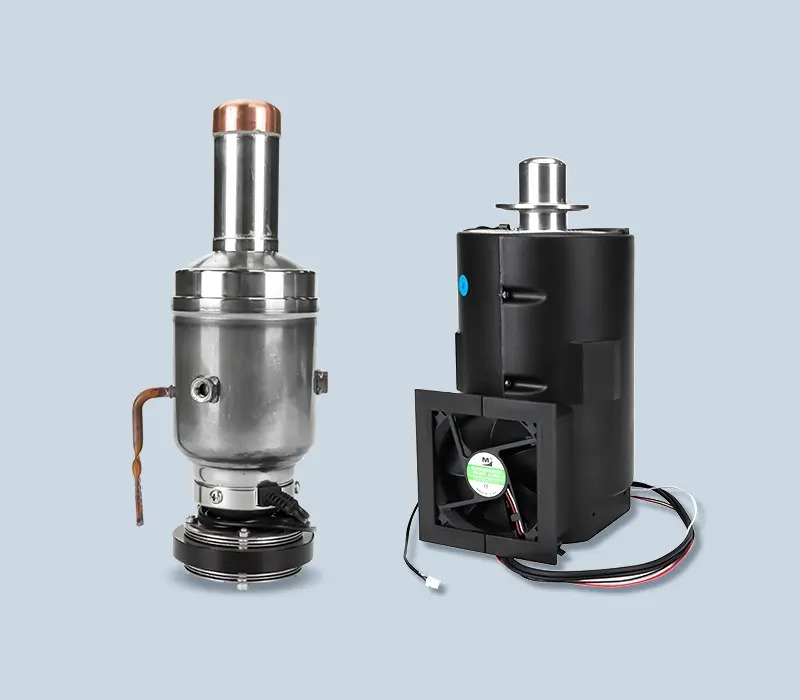
In the world of precision medicine, maintaining specific, stable temperatures is essential for ensuring the accuracy of diagnostic results and the effectiveness of treatments. Free Piston Stirling Coolers excel in providing precise temperature control, which is crucial for medical devices that require consistent thermal management.
FPSC systems are highly effective at maintaining consistent cooling over time, ensuring that medical devices remain within their optimal temperature ranges. For instance, devices used in cryopreservation, where biological samples or cells need to be stored at extremely low temperatures, benefit from FPSCs' ability to maintain steady and reliable cooling.
Additionally, the precise temperature control provided by FPSCs enhances the performance of other temperature-sensitive medical equipment such as laboratory instruments, diagnostic machines, and even surgical tools.
While the initial investment in Free Piston Stirling Coolers may be higher than traditional cooling technologies, the long-term cost savings are substantial. Due to their energy efficiency, reliability, and minimal maintenance requirements, FPSCs help reduce the overall cost of ownership for medical equipment.
FPSC systems reduce the need for frequent repairs or replacements, which can be costly for traditional compressors. The energy savings associated with their efficient cooling capabilities also lower operating expenses. Over the lifespan of medical equipment, these cost savings accumulate, making FPSCs a financially advantageous choice for healthcare providers.
As the medical field continues to advance, so must the technologies that power medical devices. Free Piston Stirling Coolers are quickly becoming a preferred cooling solution due to their numerous advantages—energy efficiency, compact design, quiet operation, and environmental benefits. Whether in diagnostic equipment, portable medical devices, or critical applications such as cryopreservation, FPSCs provide an innovative and sustainable alternative to traditional cooling technologies. Their unique blend of performance, reliability, and cost-effectiveness ensures that FPSCs will play a significant role in the future of medical device technology.
Q1: What is a Free Piston Stirling Cooler (FPSC)?
A Free Piston Stirling Cooler is a type of refrigeration system that uses a Stirling engine with a free piston mechanism to provide cooling. It is known for its energy efficiency, compact size, and quiet operation.
Q2: How does an FPSC compare to traditional cooling systems in medical devices?
FPSC systems are more energy-efficient, quieter, and compact compared to traditional systems, such as compressor-based refrigeration. They also have fewer moving parts, which improves reliability and longevity.
Q3: Can FPSCs be used in portable medical devices?
Yes, FPSCs are ideal for portable medical devices because of their compact size and lightweight design. They can efficiently cool equipment without adding significant weight.
Q4: Are Free Piston Stirling Coolers environmentally friendly?
Yes, FPSCs use environmentally friendly gases and are highly energy-efficient, which helps reduce their carbon footprint compared to traditional cooling systems that rely on harmful refrigerants.
Q5: What medical devices benefit most from FPSC technology?
Medical devices that require precise temperature control, such as MRI machines, portable diagnostic tools, cryogenic storage systems, and temperature-sensitive laboratory instruments, all benefit from FPSC technology.


