
Views: 0 Author: Site Editor Publish Time: 2026-01-29 Origin: Site


Vaccine distribution is a critical part of global healthcare. But what happens if vaccines are exposed to improper temperatures? Portable Ultra Low Temperature Freezers (ULT) are essential for ensuring vaccines, especially mRNA-based ones, remain effective. In this article, we will explore how portable ULT freezers enhance vaccine storage, ensure safe distribution, and support global health initiatives.
Vaccines, especially mRNA-based ones, are highly sensitive to temperature fluctuations. For example, the Pfizer-BioNTech COVID-19 vaccine requires storage at around -70°C to maintain its stability. Any deviation from these stringent temperature requirements can cause the vaccine to degrade, making it ineffective. By using portable ultra-low temperature freezers, vaccines can be stored at precise temperatures, ensuring that they retain their potency until administered. These freezers are crucial for maintaining the cold chain from the point of production to the point of use.
Even brief exposure to improper temperatures can lead to significant loss in the efficacy of vaccines. This is particularly true for mRNA vaccines, which rely on lipid nanoparticles to deliver genetic material to cells. Any deviation from the required storage conditions can cause lipid oxidation, leading to the breakdown of the nanoparticles and rendering the vaccine ineffective. Portable ULT freezers ensure that vaccines stay within the critical temperature range, preventing temperature excursions and preserving their effectiveness.
Global health organizations, including the World Health Organization (WHO) and the Centers for Disease Control and Prevention (CDC), have established stringent guidelines for the storage of vaccines, particularly those requiring ultra-low temperatures. Compliance with these regulations is mandatory for the successful distribution and administration of vaccines worldwide. Portable ULT freezers meet these regulatory standards by providing reliable temperature control, allowing healthcare providers to transport and store vaccines safely, even in remote areas.
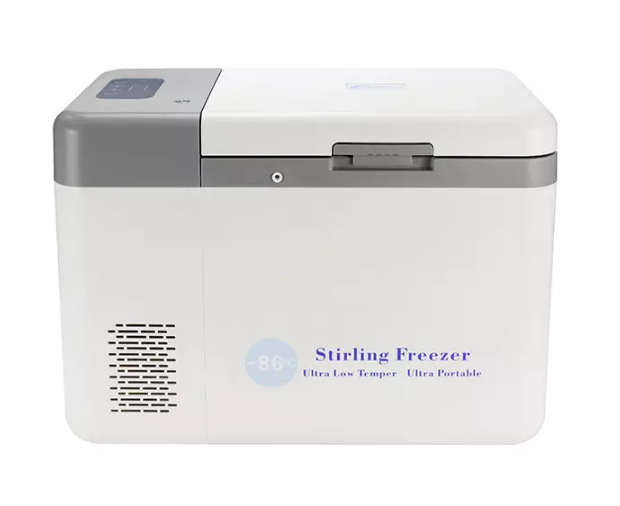
Transporting vaccines to remote or underserved regions has always been a challenge. Many of these areas lack the infrastructure needed to store vaccines at the required ultra-low temperatures. Portable ULT freezers bridge this gap by providing a mobile, reliable solution that allows vaccines to be transported safely over long distances. For example, the Stirling ULT25NEU portable freezer can maintain temperatures as low as -80°C, ensuring vaccines remain viable even when conventional cold chain infrastructure is unavailable.
The cold chain is a continuous temperature-controlled supply chain that extends from vaccine production to patient administration. Interruptions in this chain, such as power outages or inadequate storage facilities, can lead to vaccine spoilage. Portable ULT freezers are designed to maintain a stable cold chain throughout the transportation process. These freezers use advanced insulation and active cooling systems to ensure that the temperature remains constant, even during power outages or long-distance transportation.
One of the key advantages of portable ULT freezers is their ability to operate on various power sources. These freezers can be powered by standard AC outlets, 12V DC power from vehicles, or even solar energy, making them ideal for regions with unreliable electricity access. Some models, such as the Stirling ULT25NEU, also include battery backups, ensuring continuous operation for hours without external power. This versatility makes portable ULT freezers an invaluable tool for vaccine distribution in both urban and remote areas.
Portable ultra-low temperature freezers use active cooling technologies, offering longer and more stable temperature control compared to traditional passive cooling methods. Active cooling ensures consistent temperatures, avoiding the limitations of dry ice or ice packs, which offer temporary cooling solutions.
| Technology Type | Active Cooling Technology | Passive Cooling Technology |
|---|---|---|
| Cooling Principle | Uses compressors or Stirling engines for active cooling | Relies on dry ice or ice packs for cooling |
| Temperature Stability | High, maintains low temperature for extended periods | Low, with temperature fluctuations |
| Operating Time | Long-term (continuous operation) | Short-term (limited storage time) |
| Power Requirement | Moderate to low | No external power required |
| Size and Weight | Larger, suitable for large-capacity storage | Smaller, more portable for short-distance transport |
| Primary Use | Long-term transport and storage | Emergency transport or temporary use |
Tip: When choosing the right cooling technology, consider your storage duration and operating environment, as long-term storage requires active cooling technology.
As energy consumption becomes a growing concern, modern portable ultra-low temperature (ULT) freezers are designed with energy efficiency in mind to reduce operational costs and enhance sustainability. These devices minimize energy consumption through advanced insulation materials, optimized compressors, and cooling systems, ensuring they can operate efficiently at ultra-low temperatures.
| Parameter | Traditional ULT Freezers | Portable ULT Freezers |
|---|---|---|
| Temperature Range | -40°C to -86°C | -40°C to -86°C |
| Daily Energy Consumption | 4-6 kWh/day | 2.8 kWh/day |
| Energy Efficiency Ratio | Low | High |
| Power Adaptability | Limited to AC power | Supports AC, 12V DC, solar, etc. |
| Suitable Environment | Fixed cold chain environments | Flexible, distributed environments |
| Design Features | Usually large, higher energy consumption | Portable, optimized for mobile use |
Tip: When selecting a portable ULT freezer, balancing energy efficiency with storage capacity can help reduce long-term operational costs.
Portable ULT freezers are built to withstand the rigors of transportation. Many models feature rugged, shock-resistant designs that protect the contents during handling and transit. These freezers are often constructed with durable materials and insulation that can handle external environmental temperatures, ensuring that the vaccines remain at the correct temperature even in extreme conditions. This durability is crucial for the safe delivery of vaccines to remote or disaster-stricken areas where access to stable storage facilities is limited.
Portable ULT freezers are not limited to vaccine storage; they are also used in clinical trials and the distribution of biologics. Many investigational drugs and therapies, especially those based on cell and gene technologies, require storage at ultra-low temperatures to maintain their efficacy. Portable ULT freezers provide a flexible and reliable solution for storing these sensitive materials, ensuring that they remain stable throughout the clinical trial process and during transport to trial sites.
In disaster relief situations, where infrastructure is often damaged or nonexistent, portable ULT freezers are essential for maintaining the cold chain of vaccines and other biologics. These freezers can be easily transported to disaster zones, where they help ensure the safe storage and distribution of life-saving vaccines. Their ability to operate on alternative power sources, such as solar or vehicle power, makes them ideal for use in remote or disaster-stricken areas.
Portable ULT freezers play a crucial role in supporting global health initiatives, especially in underserved regions. Organizations like UNICEF and the WHO rely on these freezers to ensure that vaccines are stored and transported safely, even in areas with limited infrastructure. By providing mobile, reliable cold storage, portable ULT freezers help bridge the gap in vaccine distribution, ensuring that vaccines reach those in need, regardless of geographical location.
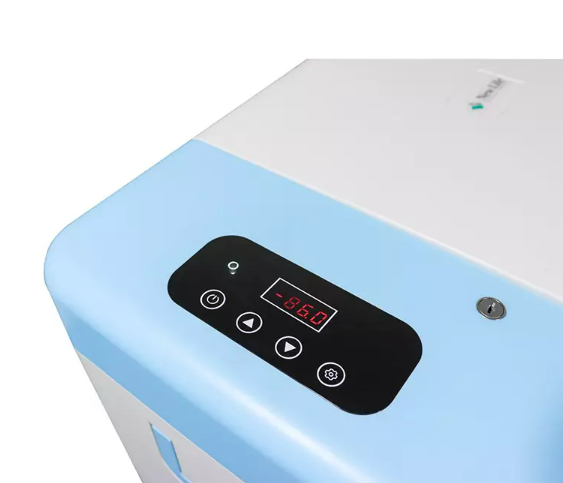
The future of portable ULT freezers looks promising, with ongoing innovations aimed at improving performance, energy efficiency, and ease of use. New technologies, such as IoT integration and cloud-based monitoring, are making it easier to track and manage vaccine storage in real-time. These advancements ensure that vaccines are stored at optimal temperatures and that any temperature excursions are immediately detected, reducing the risk of spoilage.
As environmental concerns continue to rise, the design of portable ULT freezers is evolving to incorporate more sustainable practices. Manufacturers are increasingly using eco-friendly refrigerants and energy-efficient technologies to minimize the environmental impact of these freezers. Additionally, the use of renewable energy sources, such as solar and wind power, is helping to make portable ULT freezers more sustainable and cost-effective, particularly in remote areas.
The expanding role of portable ULT freezers in precision medicine is driven by their ability to store biologics, gene therapies, and other sensitive treatments at required ultra-low temperatures, preventing degradation and maintaining efficacy. These therapies, including cell and gene-based treatments, are often temperature-sensitive and must be kept stable during both storage and transport. As the field of precision medicine grows, particularly in areas like immunotherapy and personalized treatments, portable ULT freezers will be essential for ensuring the safe delivery of these innovative, life-saving therapies to patients globally. Their flexibility in power sources and mobility further enhances their utility in decentralized healthcare settings.
Stirling Ultracold’s portable ULT freezers, such as the ULT25NEU, utilize innovative Stirling engine technology to provide reliable and energy-efficient cooling. This technology is particularly well-suited for vaccine storage, as it allows for precise temperature control and reduced power consumption. The ULT25NEU, for example, can maintain temperatures as low as -80°C using less than 2.8 kWh/day, making it an ideal solution for mobile vaccine distribution.
During the COVID-19 pandemic, portable ULT freezers played a critical role in vaccine distribution, particularly in areas lacking established cold chain infrastructure. Their reliable temperature control and flexibility in power sources made them an essential part of the global vaccine supply chain.
| Application Scenario | Device Model | Temperature Range | Power Source | Operating Environment | Key Application |
|---|---|---|---|---|---|
| COVID-19 Vaccine Distribution | Stirling ULT25NEU | -80°C | AC power, 12V DC, internal battery | Remote areas, emergency response | Ensures cold chain integrity during vaccine transport |
| Temporary Vaccine Storage | Arktek Deep Freeze | -60°C to -80°C | No external power | Temporary storage points, disaster zones | Vaccine cold storage in low-resource environments |
| Mobile Vaccination Points | Messenger 10L | -80°C | Internal battery (10 hours) | Mobile vaccination sites, vehicle environments | Long-term vaccine storage and distribution |
Tip: When planning vaccine distribution to remote areas, choosing devices that support multiple power inputs ensures flexibility and reliability in diverse environments.
The use of portable ULT freezers has significantly improved vaccine distribution worldwide. Lessons learned during the COVID-19 pandemic, such as the importance of energy-efficient and rugged designs, have led to further innovations in ULT freezer technology. These freezers are now considered an essential part of the global vaccine supply chain, ensuring that vaccines are stored and transported safely to even the most remote areas.
Portable ultra-low temperature freezers are revolutionizing the way vaccines are stored, transported, and distributed. Their ability to maintain precise temperatures, ensure an uninterrupted cold chain, and operate in diverse environments makes them a crucial tool in global vaccination efforts. As vaccine distribution continues to expand, portable ULT freezers will play an even greater role in ensuring that vaccines reach those who need them most. Continued investment in these technologies will help improve global health outcomes and support the distribution of life-saving treatments worldwide. Ningbo Juxin ULT-Low Temperature Technology Co., Ltd. offers advanced portable ULT freezers, providing energy-efficient solutions for vaccine storage. Their products deliver exceptional reliability, ensuring the safe transport and storage of vaccines in even the most challenging conditions.
A: Portable Ultra Low Temperature Freezers are specialized cooling units designed to maintain temperatures between -40°C and -86°C. They are essential for safely storing and transporting vaccines, particularly mRNA-based vaccines, ensuring their efficacy during distribution.
A: These freezers ensure uninterrupted cold chain storage, even in remote locations without fixed infrastructure. They maintain precise temperatures during transport, ensuring vaccines remain effective by preventing temperature excursions.
A: mRNA vaccines require storage at ultra-low temperatures to maintain stability. Portable ULT freezers provide reliable temperature control, preventing degradation and ensuring the vaccines retain their potency throughout transportation and storage.
A: Portable ULT freezers can operate on AC power, 12V DC from vehicles, and even solar energy. Some models also have battery backups, allowing for flexible use in areas with unreliable power.
A: Portable ULT freezers offer precise temperature control, are energy-efficient, and can operate in diverse environments, ensuring safe vaccine distribution. They are ideal for remote locations where traditional cold storage methods are unavailable.
A: Consider factors like temperature range, energy efficiency, durability, and power adaptability when selecting a portable ULT freezer. Choose one that suits your distribution needs, especially in areas with limited infrastructure or power supply.
A: While Portable ULT freezers may have higher upfront costs, modern models are designed for energy efficiency, helping reduce operational costs over time. They are a cost-effective solution for maintaining vaccine efficacy during transportation.


